A2 Media Studies Coursework Production Diary: Day 2 - Filming Guitar and Bass
We filmed again in the band room. This time, we recorded Joe playing the Bass Guitar and myself playing Guitar for our split-screen Music Video.
Friday, 12 December 2014
Friday, 5 December 2014
A2 Media Studies Coursework Production Diary: Day 1 - Our First Film Shoot
Today, we went to the Band Room in Robert Clack School for our first film shoot. We filmed Jordan playing the drums.
Wednesday, 3 December 2014
Artist Profile (Revised)
Good Charlotte - "The River" (Acoustic Version)
Good Charlotte is an American Rock band from Waldorf, Maryland. They formed in 1995. The current band members are Joel Madden (lead vocalist), Benji Madden (guitarist and vocalist), Paul Thomas (bass guitarist), Billy Martin (guitarist and keyboard player) and Dean Butterworth (drummer and percussionist). This version of their song "The River" (above video) is the acoustic version. Here is the original version. The song has religious references, e.g. the lyrics "Baptized in the river", the song's length being 3 minutes and 16 seconds long to reference John 3:16.
These two songs were also potential tracks for our music video.
(Edit 5/12/14: Go back to Original Post.)
Good Charlotte - "The River" (Acoustic Version)
Good Charlotte is an American Rock band from Waldorf, Maryland. They formed in 1995. The current band members are Joel Madden (lead vocalist), Benji Madden (guitarist and vocalist), Paul Thomas (bass guitarist), Billy Martin (guitarist and keyboard player) and Dean Butterworth (drummer and percussionist). This version of their song "The River" (above video) is the acoustic version. Here is the original version. The song has religious references, e.g. the lyrics "Baptized in the river", the song's length being 3 minutes and 16 seconds long to reference John 3:16.
These two songs were also potential tracks for our music video.
(Edit 5/12/14: Go back to Original Post.)
Monday, 1 December 2014
Case Study: Alex Southam
Case Study: Alex SouthamLike Emil Nava, Alex Southam also works for OB Management. He was originally training to be a lawyer but instead decided to train in film. He also began to make music videos to learn more about the music video industry or, as he calls it, "the trade".
He was, at one point, signed to Agile Films. His description on the company website read:
"Alex Southam is an exciting new talent, working in a dizzying variety of styles across live action and animation. Entirely self-taught, his inventiveness and creativity have caught the eye with a series of diverse promos for the like of the Walkmen, Alt-J and Lianne La Havas. Alex joined Agile in August 2012."
Alex Southam plays EVERY role in making a music video (except starring in it), i.e. he is a one-man music video maker:-
- Camera,
- Lighting,
- Editing,
- and now Director of Photography.
Alex Southam has expressed his keen interest in the format of music videos, saying "you can try new techniques and can have real artistic freedom". However, he has also expressed that he is not too keen on making commercials, as they are made with "much less freedom". He showcases all his music videos on Vimeo, which is important that he uses as it is now said to have a "higher status" than Youtube.
His breakthrough video was "Tessellate" by Alt-J:-
Budget:- £10,000
Shot in 1 day
Large cast
Used special effects - used Adobe After Effects
Another of his best videos is:-
Chase and Status - "Lost and Not Found"
Budget:- £50,000
Filmed in Los Angeles
Used a Steadicam
Filmed at 36 frames-per-second, but then slowed down
Heavily influenced by "Unfinished Sympathy" by Massive Attack
Was given a early 1990s VHS video look
The video looks as though it was filmed in entirely one shot, but it was actually filmed in three shots - Can you spot the edits? ^^
Friday, 28 November 2014
A Model of the Media
Text
Text
- Music
- Film
- TV programme
- Computer Game
- Radio programme
- Newspaper
- Magazine
- Website
- etc...
|
|
|
|
| Consume - Which? - What happens? - Why? - Where? - How?
|
|
|
> Audience
|
|
|
| Financial Transaction
|
|
|
> Institutions
|
|
|
| Financial Transaction
|
|
|
> Institutions
- Nintendo
- 20th Century Fox
- Universal
- Warner Bros.
- Odeon
- Rockstar
- Sega
- Vue
- Sky
- Cineworld
- Lionhead Studios
- CNN
- Sony
- Apple
- Netflix
- Amazon
- Microsoft
- News International
- EA
|
|
|
|
| Produce - Market - Distribute - Exhibit
|
|
|
| Back to...
> Text (see top of page)
1st Production Meeting and Plan

This was when we had our first production meeting, where we came up with the first draft of our plan for our Music Video and downloaded the Production documents for our coursework.

This was when we had our first production meeting, where we came up with the first draft of our plan for our Music Video and downloaded the Production documents for our coursework.
Case Study: Emil Nava
Emil is a music video director who started off as a Runner for film companies, particularly Blink Productions. He is now a freelance director working for OB Management.
From a Runner, he became an Assistant Director (or A.D.), who is responsible for managing video shoots. He then signed to different music and film companies, like Academy Films (signed first), Between the Eyes (signed second) and Pulse Films (currently signed).
Emil Nava's first directing job and budget was for the band KiD BRiTiSH and their song "Our House is Dadless". The song is a sample of the song "Our House" by Madness. The budget was £20,000. It was filmed in Manchester. The cast consisted of the band members and the local people of the neighbourhood the video was filmed in. It took 1 day for filming, 2-3 days for editing and 10 days for pre-production (13-14 days in total), meaning the production for this video was on a tight schedule.
Emil Nava gives career advice on icould.com
He talks about how he became a music video director, who he has worked with, e.g. Jessie J, Tinchy Strider, etc, and what his life is like as a music video director.
Emil Nava interview on set of Jessie J music video
He talks about his first ever music video (himself rapping to 50 Cent) and how his mood on the filming days affects the entire crew, including the artist, so he has to keep a clear head.
Examples of the music videos he has directed include:-
Jessie J - "WILD" (video includes playlist of his other music videos)
Behind the Scenes of "Domino" by Jessie J
The busiest he has ever been was when he made 24 music videos in 1 year. For music videos for songs that are signed by independent record labels, he makes the budget as low as £5,000-£10,000. His most expensive video was for Jessie J, which cost £160,000 to make.
Emil Nava has also directed several adverts, which have a higher budget and production value but have less creative freedom. For example, the L`Oreal "Dare To Be Different" advert.
Other examples of his music videos include:-
Paloma Faith - "30 Minute Love Affair"
Client Record Label: Sony Music
Paloma Faith - "Picking Up the Pieces"
Client Record Label: Sony Music
Budget: £80,000
Ed Sheeran - "Lego House"
Client Record Label: Atlantic Records
Jessie J - "Do It Like A Dude"
Client Record Label: Island Records
Budget: £25,000
Rita Ora - "R.I.P."
Client Record Label: Roc Nation
Ed Sheeran - "You Need Me"
Client Record Label: Atlantic Records
Budget: £35,000
Jessie J - "Price Tag"
Client Record Label: Island Records
Emil Nava's Top Tips (on making Music Videos)
- Use Extreme Close-Ups on the singers' faces as much as possible.
- Do NOT use Medium or Long Shots for the whole of the video.
- He used these videos (and possibly others) as inspiration for these tips and some of his videos:-
Sinead O'Connor - "Nothing Compares 2U"
Godley and Creme - "Cry"
OB Management
The production company that Emil Nava works for, OB Management, often works in collaboration with other production companies, like:-
- Pulse Films (currently signed)
- Rocket Pictures
- Agile Films
- Friends Film Company
- Wanda Productions
The company works to be hired by music video directors to be their "agents". They often call themselves "three straight up dudes who work out of Denmark Street, London". The company works to:-
- Nurture talent
- Work with different production companies
- Work with different record labels
- Pair the right director with the right artist
Wednesday, 26 November 2014
Audience Research
Audience Research
The kind of information we need from other people for our coursework include:-
Promotes to both fanbases of Ariana Grande and The Weeknd.
The kind of information we need from other people for our coursework include:-
- Types of music videos they watch?
- What kind of music do they listen to?
- Do they watch music videos?
- Age of the audience?
- How do they listen to music?
- Where do they listen to music?
- How do they watch music videos?
- Comment on the track
- Identify target audience
- Possible wider audience?
This information can be collected through:-
- Surveys - e.g. SurveyMonkey - Facebook/Twitter - Screengrabs - Evaluate results
- Questionnaires
- Personal filmed interviews
- Focus groups
- Vox Pops
Vox Pops
- Name comes from Latin phrase 'Vox Populi' - meaning 'voice of the people'
- Usually, the interviewees are shown in a public place and they give their genuine but impulsive opinions in chance encounters with the interviewer about a particular subject.
- Vox Pops are usually seen on news programmes to present balance in a debate about a particular subject.
- Before showing the Vox Pop, it is usually said that "opinion was divided on the streets..." or something along these lines.
- Each person is asked the same question and the aim is to get a variety of answers.
Like all good media...
- Our Vox Pops will be staged.
- Everyone needs to prepare to answer the following questions:
- Do you watch music videos?
- What is/are your favourite music video(s)?
- What do you like about music videos?
- What makes a good music video?
- Where do you watch music videos?
Synergy in Music Videos - Ariana Grande - "Love Me Harder" ft. The Weeknd
Promotes to both fanbases of Ariana Grande and The Weeknd.
Friday, 21 November 2014
Case Study: Jamie Thraves
Jamie Thraves is a British director and writer of several music videos and short experimental films. He started making short films, namely "Scratch" (1991), "The Take Out" (1993) in Hull University, an achievement which got him a job at the video production company, Factory Films. He also made "The Hackney Downs" (1994) while attending The Royal College of Arts. He began with making short, low-budget music videos of around £5,000 each, which then rose to around £100,000 to £200,000.
As with many directors, the progression of their careers depend on their commissions and whether or not they get accepted by companies. Jamie Thraves, on the other hand, submitted treatments for (what-would-be) his two best known videos and both got accepted.
Examples of Music Videos he has directed include:-
Radiohead - "Just"
£100,000 budget
Shot in three days
Coldplay - "The Scientist"
£200,000 budget
Shot in three days
"Back to the Start" - the entire video consists of the footage in reverse; from end to start.
The Japanese Popstars - "Song for Lisa"
£200,000 budget
Shot in two days
Jamie Thraves became part of the film industry through his music videos.
So far, Jamie Thraves has three feature films:-
- The Low Down (2000)
- The Cry of the Owl (2009)
- Treacle Jr (2010)
Jamie's Tips (on making Music Videos)
- Use the lyrics, but not too literally.
- Most of all, make sure you go with the emotion in the lyrics.
Other examples include:-
Katy B - "Broken Record"
"Like a Broken Record" - the footage in the video plays over and over again, though with a few differences every repeat.
Death Cab for Cutie - "I Will Follow You into the Dark"
"I Will Follow You into the Dark" - one of the last scenes in the video shows the main character walking into deeper into the dark hole after falling into it instead of climbing out of it.
Tom Odell - "Another Love"
Katy Perry - The New Britney!
Katy Perry - How her Pop Videos appeal to her target audience and reflect her private life
Her Target Audience:- young girls, aged 14-17
Katy Perry has to:-
Her Target Audience:- young girls, aged 14-17
Katy Perry has to:-
- portray herself as an older sister-figure/friend.
- reflect some of the anxieties young girls have.
- be a role model for young girls, i.e. to appear sexy in a non-threatening way.
Katy Perry - "I Kissed A Girl" (2008)
This song explores the insecurity about sexuality among young girls.
Katy Perry - "Hot N Cold" (2008)
This song explores the confusion young girls have about boys, i.e. always changing their minds about something (particularly at the worst possible moment). However, this video is presented in a comical way in an effort to humiliate the groom.
Katy Perry - "California Gurls" (2010)
This song explores how Katy Perry felt during her two-year marriage with Russel Brand (this video was published at the beginning of their marriage). It conveys a happy yet sexy image to reflect Katy Perry's feelings at that time
Katy Perry - "Teenage Dream" (2010)
Like "California Gurls", this song explores Katy Perry's feelings while she was married to Russel Brand and it also conveys a happy yet sexy image to reflect on this.
Katy Perry - "Firework" (2010)
This song explores how one should celebrate their differences instead of be ashamed of them. It conveys a positive message to empower young girls to accept themselves for who they are. There are several scenes in the music video featuring characters (girls and boys alike) with common insecurities
Katy Perry - "Wide Awake" (2012)
This song explores Katy Perry's feelings after her divorce with Russell Brand after two years of being married.
Katy Perry - "Roar" (2013)
This song explores the insecurity about sexuality among young girls.
Katy Perry - "Hot N Cold" (2008)
This song explores the confusion young girls have about boys, i.e. always changing their minds about something (particularly at the worst possible moment). However, this video is presented in a comical way in an effort to humiliate the groom.
Katy Perry - "California Gurls" (2010)
This song explores how Katy Perry felt during her two-year marriage with Russel Brand (this video was published at the beginning of their marriage). It conveys a happy yet sexy image to reflect Katy Perry's feelings at that time
Katy Perry - "Teenage Dream" (2010)
Like "California Gurls", this song explores Katy Perry's feelings while she was married to Russel Brand and it also conveys a happy yet sexy image to reflect on this.
Katy Perry - "Firework" (2010)
This song explores how one should celebrate their differences instead of be ashamed of them. It conveys a positive message to empower young girls to accept themselves for who they are. There are several scenes in the music video featuring characters (girls and boys alike) with common insecurities
Katy Perry - "Wide Awake" (2012)
This song explores Katy Perry's feelings after her divorce with Russell Brand after two years of being married.
Katy Perry - "Roar" (2013)
Star Theory
Star Theory
Richard Dyer believes that artists are defined and constructed from artificial images from media such as advertisements, music videos, etc.
He also believes that artists prefer to convey their true feelings in their career instead of manufacture a fake image of themselves for the record labels for the sake of making money. This belief can be a good selling point for a "true" artist. Examples of these could be Adele, Susan Boyle, Ellie Goulding, Tsuki Amano and Utada Hikaru.
However, there are artists that are manufactured for purpose of making money for their currently-signed record labels by appealing to their target audience. Record labels have to advertise their artists to certain audiences as there are both "niche" markets (specialised but profitable) and "mainstream" markets (popular and universal). Some could argue that pop stars like Lady Gaga, Justin Beiber and One Direction are these.
Another of Richard Dyer's theories is that artists are "trendsetters", meaning that their audience will start imitating their appearances, e.g. hairstyles, clothes, etc. Sometimes, artists' religious and cultural beliefs (if they actually choose to reveal this information) are also imitated by their audience. These trends and the personal information about the artists can now be easily and greatly accessed by the audience through the internet.
He also believes that artists prefer to convey their true feelings in their career instead of manufacture a fake image of themselves for the record labels for the sake of making money. This belief can be a good selling point for a "true" artist. Examples of these could be Adele, Susan Boyle, Ellie Goulding, Tsuki Amano and Utada Hikaru.
However, there are artists that are manufactured for purpose of making money for their currently-signed record labels by appealing to their target audience. Record labels have to advertise their artists to certain audiences as there are both "niche" markets (specialised but profitable) and "mainstream" markets (popular and universal). Some could argue that pop stars like Lady Gaga, Justin Beiber and One Direction are these.
Another of Richard Dyer's theories is that artists are "trendsetters", meaning that their audience will start imitating their appearances, e.g. hairstyles, clothes, etc. Sometimes, artists' religious and cultural beliefs (if they actually choose to reveal this information) are also imitated by their audience. These trends and the personal information about the artists can now be easily and greatly accessed by the audience through the internet.
Friday, 14 November 2014
Media Theory: Narrative Theories - "Stan" by Eminem
Tzvetan Todorov's Theory
- Equilibrium:- Stan (Devon Sawa) is obsessively writing to his idol, Slim Shady (Eminem), as well as trying to look like him. His pregnant girlfriend (Dido) can sense that something is wrong.
- Disruption:- Stan's behaviour becomes more violent and out-of-control as his girlfriend desperately tries to help him. One night, she sneaks into the basement and finds Stan's "shrine" of Slim, but, he finds her and stuffs her in the boot of their car and drives away in the rain.
- Resolution:- Stan yells into his recorder-microphone in his car about how frustrated he is that Slim didn't respond to his letters earlier. He then drives off the bridge and into the river. The car is found by the authorities and the case is televised on the news. Slim finally receives Stan's letters and writes back, saying he is flattered by his dedication but suggests that he receive help as he seems like a troubled man, only to realise to late that Stan is dead as he sees his death was televised on the news.
- New Equilibrium:- Stan's little brother, Matthew, also a fan of Slim's ("a bigger fan than he is", according to Stan), mourns his older brother's death at his grave and reveals to his concerned relative that he also looks Stan and Slim to express his own dedication to the both of them. It seems as though Stan's little brother might follow in his older brother's footsteps.
Roland Barthes' Theory
I believe the narrative of this music video is an open text because, while in the end Stan is dead, his little brother, Matthew, is hinted to possibly follow in his brother's footsteps of being a fan of Slim, though this is left as an unanswered enigma (until the "sequel" track, "Bad Guy" by Eminem).
Vladimir Propp's Theory
- The Hero (Protagonist):- Stan
- The Villain (Antagonist):- Stan
- The Donor (Provider):- Stan's girlfriend (tries to be)
- The Helper:- Stan's girlfriend (tries to be)
- The Father Figure:- Slim Shady
- The Dispatcher:- None
- The Princess:- Stan's girlfriend
- The False Hero:- Stan/Matthew (Stan's little brother)(?)
The Three Act Structure
- The Set-Up:- Introduction to Stan, looking in a mirror after dyeing his blonde like Slim Shady. Introduction to Stan's girlfriend, who is concerned for her boyfriend and needs to "go". Stan goes to the basement/his shrine of Slim to write a letter to him, in the hopes that he will write back.
- The Confrontation:- Stan continues to write to Stan while receiving no reply each time. The longer he waits and the more he writes, the more broken-down and violent he becomes. His girlfriend tries to help him, to no avail, as he answers back with violent behaviour.
- The Midpoint:- Stan's girlfriend sneaks into the basement one night, only to find his Slim shrine and finds out he's obsessed. Stan catches her in the act.
- The Climax:- Stan traps his girlfriend in the trunk of his car and drives off. He screams a final message to Slim into his recorder before driving off a bridge. Slim Shady later writes a late reply to Stan's letters only to realise that he is dead. Matthew is hinted to follow in his brother's footsteps.
Claude Levi-Strauss' Theory of Binary Oppositions
Dominant:- Stan - strong enough to cause damage when reacting violently and to restrain his pregnant girlfriend and trap her in the boot of his car - able-bodied - male - white - heterosexual (has a girlfriend) - sings the crazed parts of the song; Slim Shady - successful singer - sings the final, less-crazed/calm verse of the song
Subordinate:- Stan's girlfriend - pregnant - unable to properly protect herself from Stan - sings "Thank You" by Dido (herself), a rather calming song; Matthew - child - only featured in the video 2-3 times - non-speaking role
Gaining Permission from the Artist
This is a screenshot of the message we sent to Good Charlotte through Facebook asking permission to use their song "The River (Acoustic Version)" for our Music Video.
This is a screenshot of the message we sent to Three Days Grace through Facebook asking permission to use their "Wave of Popular Feeling" for our Music Video.
This is a screenshot of the message we sent to Good Charlotte through Facebook asking permission to use their song "The River (Acoustic Version)" for our Music Video.
This is a screenshot of the message we sent to Three Days Grace through Facebook asking permission to use their "Wave of Popular Feeling" for our Music Video.
Artist Profile
Artist Profile
Three Days Grace (Groundswell) - "Wave of Popular Feeling"
Three Days Grace (formerly known as Groundswell) is a renowned Rock band from Ontario, Canada. The band members are Matt Walst (lead vocalist and rhythm guitarist), Barry Stock (lead guitarist), Brad Walst (bass guitarist and backing vocalist) and Neil Sanderson (drummer, percussionist, keyboard player, backing vocalist and programmer). Their former name, Groundswell, was used when making the song "Wave of Popular Feeling" (see video above).
Other candidate songs for our Music Video
Reel Big Fish - "Your Girlfriend Sucks"
Three Days Grace (Groundswell) - "Wave of Popular Feeling"
Three Days Grace (formerly known as Groundswell) is a renowned Rock band from Ontario, Canada. The band members are Matt Walst (lead vocalist and rhythm guitarist), Barry Stock (lead guitarist), Brad Walst (bass guitarist and backing vocalist) and Neil Sanderson (drummer, percussionist, keyboard player, backing vocalist and programmer). Their former name, Groundswell, was used when making the song "Wave of Popular Feeling" (see video above).
Other candidate songs for our Music Video
Reel Big Fish - "Your Girlfriend Sucks"
Wednesday, 12 November 2014
Key Features in Music Videos - Part 2
Music Videos promote songs in three different ways:-
What makes a Music Video memorable?
Other examples include:-
OK Go - "Here It Goes Again"
OK Go - "White Knuckles"
Lady Gaga - "Born This Way"
These are good examples of promo videos because they stand out more than other music videos and are appealing to the audience (memorability).
Music Videos promote songs in three different ways:-
- Illustrate:- a sequence of images are used to demonstrate the meaning of the lyrics and genre of the song in visual form. The most common form of promotion in a Music Video.
- Amplify:- Certain meanings, effects and themes are repeatedly used and manipulated to further emphasise them and make the song and video more memorable to the viewer.
- Disjuncture/Contradict:- The meaning of the lyrics and song are ignored, resulting in the visuals going against what the song is supposed to mean.
Narrative and Performance
According to Andrew Goodwin, "songs fail to give us the complete narrative". What is seen in Music Videos is only the tip of the iceberg and the rest is made up by our imaginations to try and figure what is being told in the video.
Goodwin believes that in order to better their advertising potential, Music Videos should ignore the common narrative. He believes that Music Videos should have logical repeatability, meaning that the viewer can watch the video over and over again without losing interest, through a collaboration between narrative and performance.
The lip-synching and mimed actions in the video must be timed perfectly as the artist themselves act as both narrator and participant to make the video more original. The audience has to believe that it is real.
For example:-
Will Young - "Leave Right Now"
According to Andrew Goodwin, "songs fail to give us the complete narrative". What is seen in Music Videos is only the tip of the iceberg and the rest is made up by our imaginations to try and figure what is being told in the video.
Goodwin believes that in order to better their advertising potential, Music Videos should ignore the common narrative. He believes that Music Videos should have logical repeatability, meaning that the viewer can watch the video over and over again without losing interest, through a collaboration between narrative and performance.
The lip-synching and mimed actions in the video must be timed perfectly as the artist themselves act as both narrator and participant to make the video more original. The audience has to believe that it is real.
For example:-
Will Young - "Leave Right Now"
What makes a Music Video memorable?
- They portray an artistic statement, for example:-
Talking Heads - "Once in a Lifetime"
Other examples include:-
OK Go - "Here It Goes Again"
OK Go - "White Knuckles"
Lady Gaga - "Born This Way"
These are good examples of promo videos because they stand out more than other music videos and are appealing to the audience (memorability).
Monday, 13 October 2014
Key Features in Music Videos
Andrew Goodwin, in his book "Dancing in the Distraction Factory", has identified the following features of music videos:
- Music Videos demonstrate genre characteristics, e.g. Heavy Metal;- long-haired men in leather, loud music, screaming and shouting (singing), etc; Boy/Girl Bands:- dance routines, etc.
- Examples of this include:
Indie Rock/Indie Pop/Pop Ballad/J-pop - Tsuki Amano - "Koe" (Voice)
Japanese emotional lyrics (English lyrics here)
Slow tempo (ballad style)
Flamboyant outfits, hairstyles and make-up
Japanese emotional lyrics (English lyrics here)
Slow tempo (ballad style)
Flamboyant outfits, hairstyles and make-up
- There is a relationship between the lyrics and the visuals (illustrative, amplifying and/or contradicting).
- Examples of this include:
Illustrative - Five for Fighting - "Superman (It's Not Easy)"
"Even Heroes have the right to dream" - shows a cabinet full of children's toys - symbolises children's imagination and innocence
"Up, up and away, away from me/Well, it's alright" - setting changes to the singer high up in the sky, above the clouds - conveys a calming feeling
Amplifying - Cryoshell - "Creeping in my Soul"
The word "creep" is constantly repeated in some way or form to create a haunting, yet thrilling atmosphere in the song and video.
Contradicting - Utada Hikaru - "Hikari" (Light)
Almost all of the lyrics do not relate to the visuals. (English lyrics here or here)
"Up, up and away, away from me/Well, it's alright" - setting changes to the singer high up in the sky, above the clouds - conveys a calming feeling
Amplifying - Cryoshell - "Creeping in my Soul"
The word "creep" is constantly repeated in some way or form to create a haunting, yet thrilling atmosphere in the song and video.
Contradicting - Utada Hikaru - "Hikari" (Light)
Almost all of the lyrics do not relate to the visuals. (English lyrics here or here)
- There is a relationship between the music and the visuals (illustrative, amplifying and/or contradicting).
- Examples of this include:
Illustrative - Bonnie Pink - "Kane wo Narashite" (Ring a Bell)
English lyrics here.
There are several special effects/features in the video that emphasise the beat of the song itself, namely the shape-shifting cube.
Amplifying - Tsukiko Amano - "Ningyou" (Doll)
English lyrics here.
There is both fast and slow tempo in the music and both fast and slow-paced scenes to go with them. However, the respective tempos and scenes don't always run together at the same time.
Contradicting - Fall Out Boy - "Immortals" (Theme Song of Big Hero 6)
English lyrics here.
There are several special effects/features in the video that emphasise the beat of the song itself, namely the shape-shifting cube.
Amplifying - Tsukiko Amano - "Ningyou" (Doll)
English lyrics here.
There is both fast and slow tempo in the music and both fast and slow-paced scenes to go with them. However, the respective tempos and scenes don't always run together at the same time.
Contradicting - Fall Out Boy - "Immortals" (Theme Song of Big Hero 6)
The entire video is just a vinyl record (in the design of the character Baymax's face) spinning round playing the song. Other than the spinning record, nothing else in the video completely matches the song's beat.
Contradicting - Lisa Miskovsky - "Still Alive" (Theme Song of Mirror's Edge)
The pace of the video does not match the song's drumline beat.
- Requests are made by the record label to try to create motifs/a visual style that will recur in the artist's work, e.g. lots of close-ups of the artist.
- Examples of this include:
abingdon boys school - "Nephilim"
English lyrics here.
The video has many close-ups of the band members, as well as many Long Shots of the whole band. This motif is seen in their other music videos.
Refers to, features and promotes the popular toyline, BIONICLE, by Lego (specifically the 2008 toyline) through clips from the toy adverts
Anastasia - "Everything Burns" ft. Ben Moody (Theme Song of Fantastic Four (2005))
Refers to, features and promotes the 2005 movie, Fantastic Four, through clips from the film and the music video being in a comic book format to symbolise how The Fantastic Four started off as a comic book story. Also, there are occasions in the video where the character, Johnny Storm (a.k.a. The Human Torch), flies past the two singers, Anastasia and Ben Moody, and, at the end of the video, the Fantastic Four logo made up in flames can be seen in the sky behind Ben Moody, referring to the film's ending.
English lyrics here.
The video has many close-ups of the band members, as well as many Long Shots of the whole band. This motif is seen in their other music videos.
- There are often references to the action of looking, e.g. looking through a screen or telescope, someone pointing you in a certain direction, etc; and Laura Mulvey's "Male Gaze".
- Examples of this include:
JAMIL - "The Rock City Boy"
English lyrics here.
Though not an extreme case of Laura Mulvey's Male Gaze, throughout the video, the main character (JAMIL) takes quite a few glances at the girl (J-Pop singer Takahashi Minami), whom he has a crush on, and even thinks about her in a dazy sort of way.
- There are also often intertextual references to other media, e.g. films, TV shows, other music videos, etc.
- Examples of this include:
Cryoshell - "Closer to the Truth" (Theme Song of BIONICLE 2008 - Toa Mistika)
Refers to, features and promotes the popular toyline, BIONICLE, by Lego (specifically the 2008 toyline) through clips from the toy adverts
Cryoshell - "Gravity Hurts" (Theme Song of BIONICLE 2008 - Toa Phantoka)
Refers to, features and promotes the popular toyline, BIONICLE, by Lego (specifically the 2008 toyline) through clips from the toy adverts
Anastasia - "Everything Burns" ft. Ben Moody (Theme Song of Fantastic Four (2005))
Refers to, features and promotes the 2005 movie, Fantastic Four, through clips from the film and the music video being in a comic book format to symbolise how The Fantastic Four started off as a comic book story. Also, there are occasions in the video where the character, Johnny Storm (a.k.a. The Human Torch), flies past the two singers, Anastasia and Ben Moody, and, at the end of the video, the Fantastic Four logo made up in flames can be seen in the sky behind Ben Moody, referring to the film's ending.
Creating Brand Identity
Dawn of a New Era
The introduction of music videos on MTV meant that artists now had the opportunity to create an image of themselves to present to the public and gain a following. These videos gave artists the ability a convey a more comprehensive message to their audience to create this image and make a brand of themselves.
These videos are powerful in which they can make or break a single or a new artist's career as a whole.
A Changing Landscape
Though the broadcasting of music videos on TV has declined, the music video is still the most powerful and popular way to promote music.
With improvements in web-video technology, music videos have maintained their dominance through the Internet to promote music. Online platforms like websites and social media, e.g. Twitter, must be linked clearly with image of the artist. For example, a tweet on Twitter can get as many people following as a TV channel can reach in only a matter of minutes.
This makes the Internet a dominant force in promoting music.
Brand Identity
Creating a Brand Identity requires careful consideration. This "image" can be created using a clever formation of colours, image, text or fonts, etc. Products such as music videos, websites, Twitter or other social media accounts, digipaks and magazine adverts, etc, must promote clearly one image of the artist across all elements. For example, The Spice Girls were all advertised individually with the different personalities for each of the girls in their stage names, e.g. Mel B = Scary Spice, Emma Bunton = Baby Spice, etc.
Dawn of a New Era
The introduction of music videos on MTV meant that artists now had the opportunity to create an image of themselves to present to the public and gain a following. These videos gave artists the ability a convey a more comprehensive message to their audience to create this image and make a brand of themselves.
These videos are powerful in which they can make or break a single or a new artist's career as a whole.
A Changing Landscape
Though the broadcasting of music videos on TV has declined, the music video is still the most powerful and popular way to promote music.
With improvements in web-video technology, music videos have maintained their dominance through the Internet to promote music. Online platforms like websites and social media, e.g. Twitter, must be linked clearly with image of the artist. For example, a tweet on Twitter can get as many people following as a TV channel can reach in only a matter of minutes.
This makes the Internet a dominant force in promoting music.
Brand Identity
Creating a Brand Identity requires careful consideration. This "image" can be created using a clever formation of colours, image, text or fonts, etc. Products such as music videos, websites, Twitter or other social media accounts, digipaks and magazine adverts, etc, must promote clearly one image of the artist across all elements. For example, The Spice Girls were all advertised individually with the different personalities for each of the girls in their stage names, e.g. Mel B = Scary Spice, Emma Bunton = Baby Spice, etc.
History of Pop Videos: From Bing Crosby to The Beatles
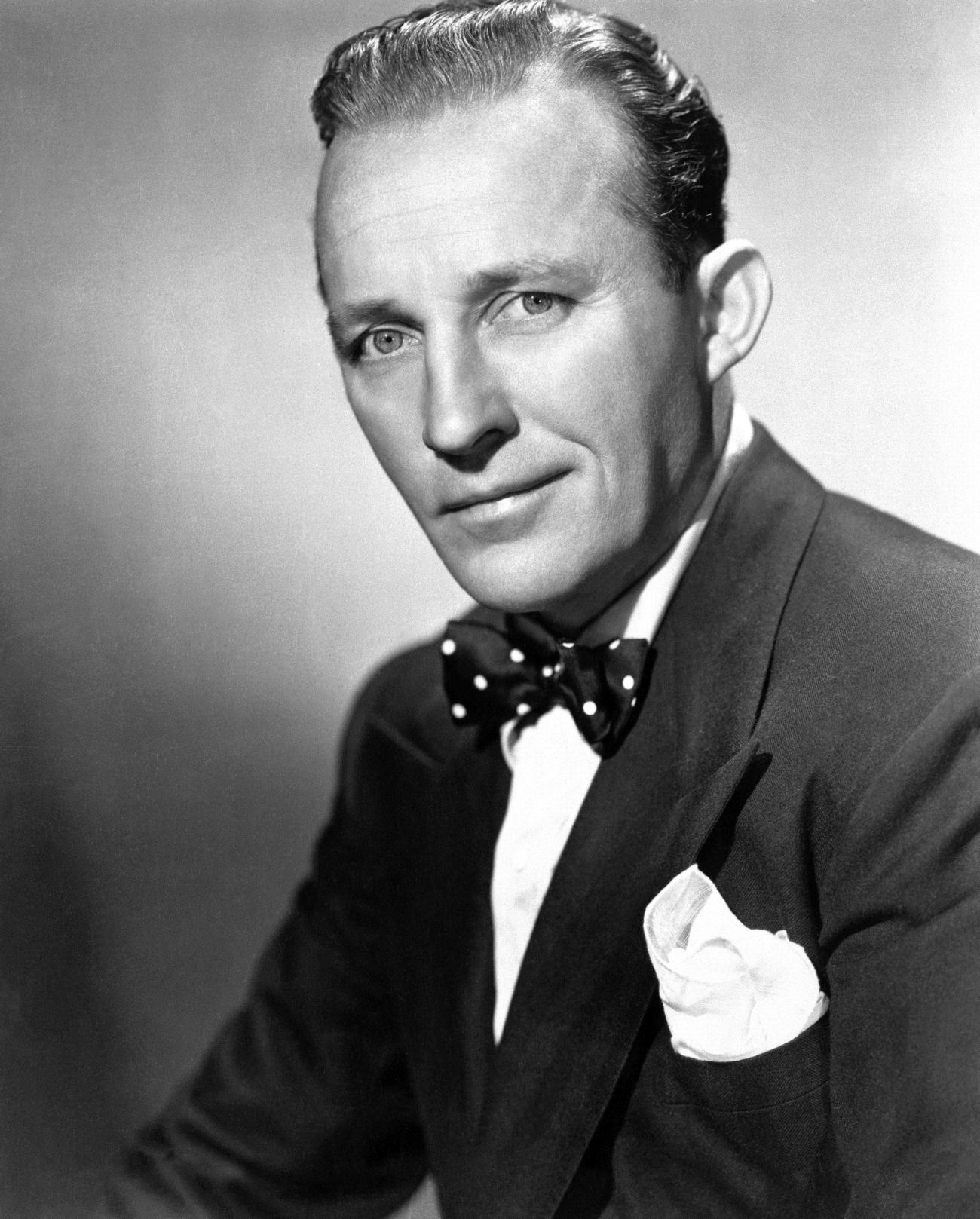
1940s - Bing Crosby
- Biggest star in the world.
- Fans saw him in films, e.g. "White Christmas" (1954), and TV specials, e.g. "The Bing Crosby Show" (1959).
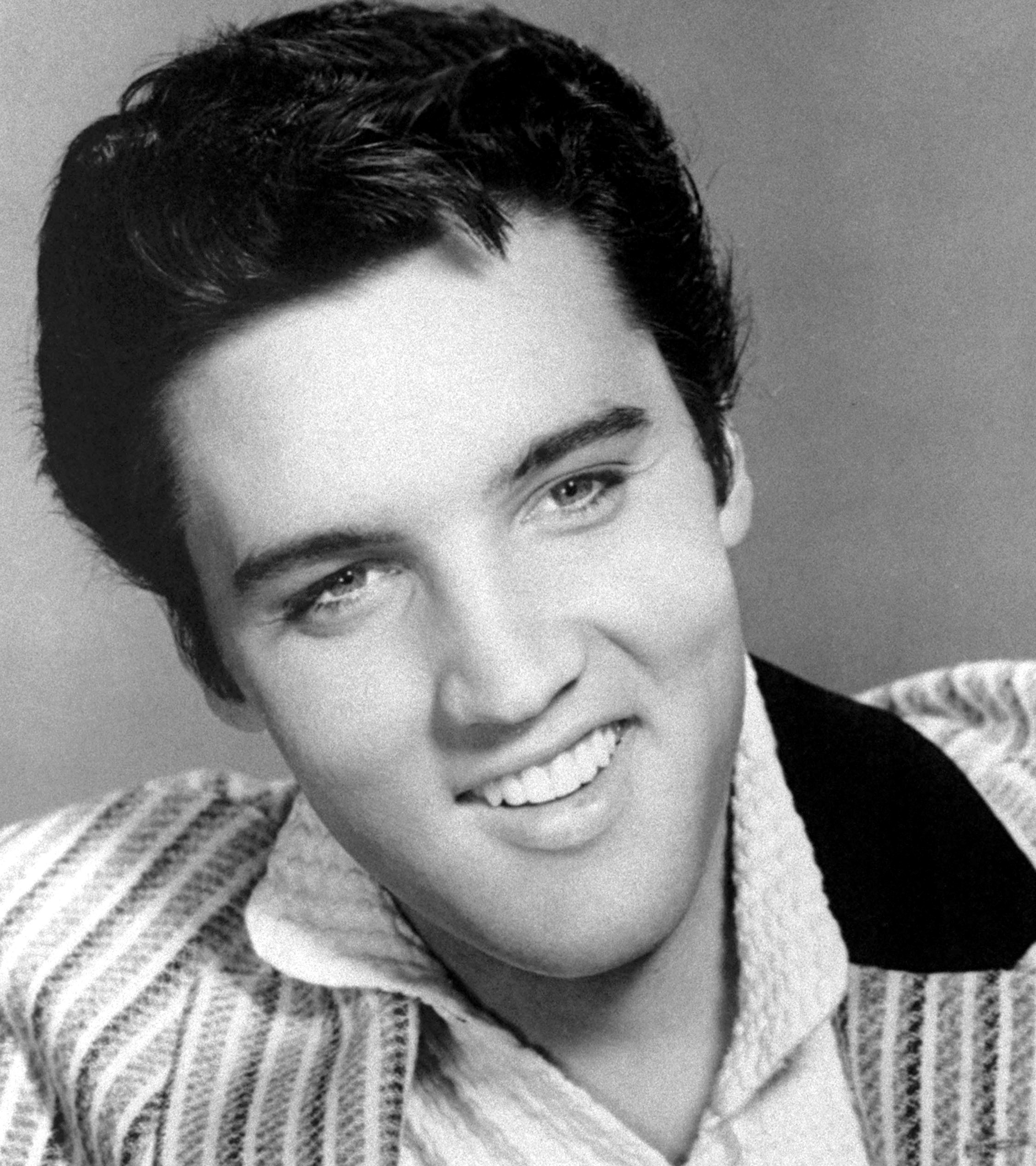
1950s - Frank Sinatra
- Replaced Bing Crosby as world's biggest star.
- First to have fangirls scream at him.
- Fans saw him in TV specials, concerts and films, e.g. "High Society", "'Till The Clouds Roll By".
- Fans saw him in TV specials, e.g. "The Ed Sullivan Show", films, e.g. "Loving You" (1957), and concerts (USA only).
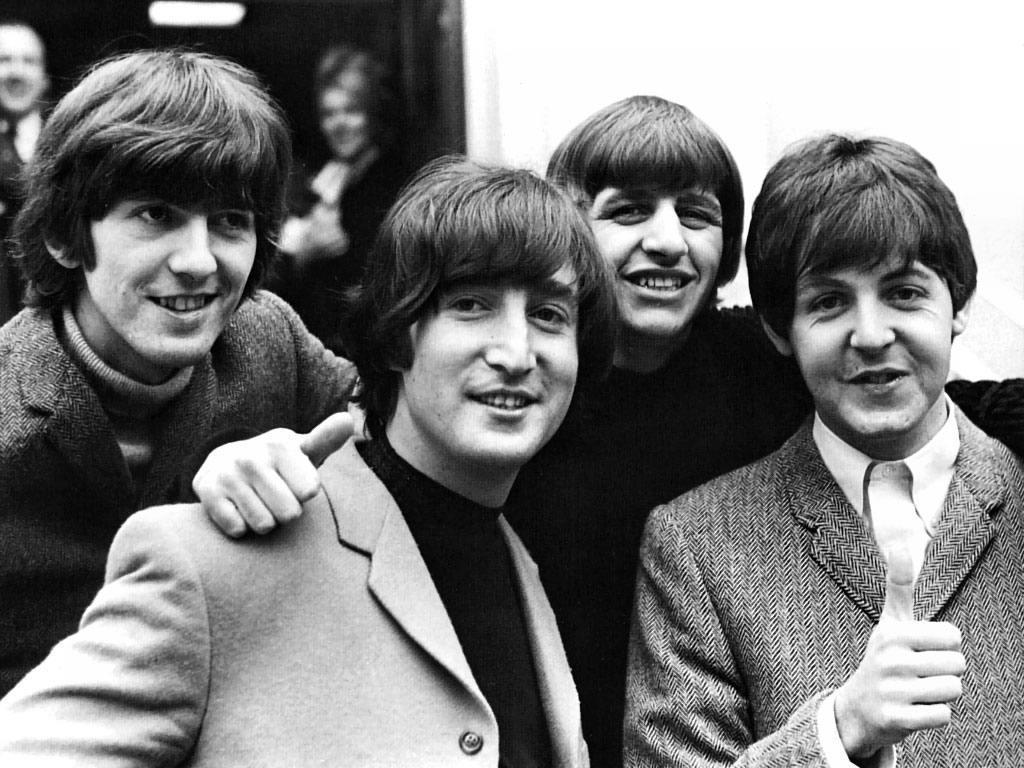
1960s - The Beatles
- Fans saw them in TV specials, e.g. "Top of the Pops", concerts/tours, e.g. Shea Stadium (they didn't tour again after this as they thought there was too much screaming), films, e.g. "Help" (1965), "A Hard Day's Night" (1964), and the first ever Pop Video for "Paperback Writer" and "Rain" that would be sent to TV shows like Top of the Pops (they made this as a result of never touring again).
The First Music Videos
The Beatles - "Paperback Writer"
The Beatles - "Rain"
Application of Laura Mulvey's theory to Music Videos
Rihanna - "Shut Up and Drive"
This song is an example of Laura Mulvey's theory about the "Male Gaze" and the portrayal of women as "objects of erotic desire". Rihanna, as well as all the other girls in the video, are dressed and portrayed in the video in an erotic, desirable fashion.
The camera always focuses certain parts of Rihanna or the other girls' bodies, e.g. ankles, to make them look attractive to the viewer.

The lyrics of the song also have a double meaning, with one side being quite suggestive, e.g. "Shut Up and Drive".
Lady Gaga - "Bad Romance"
This song is another example of Laura Mulvey's theory. This video seems to depict a futuristic, "Lady Gaga" version of the slave-trade/trafficking women.
Rihanna - "Shut Up and Drive"
This song is an example of Laura Mulvey's theory about the "Male Gaze" and the portrayal of women as "objects of erotic desire". Rihanna, as well as all the other girls in the video, are dressed and portrayed in the video in an erotic, desirable fashion.
The camera always focuses certain parts of Rihanna or the other girls' bodies, e.g. ankles, to make them look attractive to the viewer.
The lyrics of the song also have a double meaning, with one side being quite suggestive, e.g. "Shut Up and Drive".
Lady Gaga - "Bad Romance"
This song is another example of Laura Mulvey's theory. This video seems to depict a futuristic, "Lady Gaga" version of the slave-trade/trafficking women.Wednesday, 1 October 2014
Audience Theory
Audience Theory
This theory stems from the theories of Roland Barthes, Stephen Heath, Laura Mulvey and Kaja Silverman, but was formulated by Daniel Day in "The Tutor Code of Classical Cinema" (1974).
According to these theorists, Suture "stitches" the audience into the film by relating to the characters or the views of the world expressed in the film. The audience then fills in the temporal and spatial gaps between scenes with their imaginations.
Suture is made much easier when the means, techniques, codes and conventions of a film are made "invisible" by the filmmakers.
Suture
Suture (which means "stitch" or "position") in film happens when a film's narrative, editing, sound and mise-en-scene is cleverly created and put together in a way that makes the audience see the film in only one preferred reading (Reception Theory), mostly unconsciously.
This theory stems from the theories of Roland Barthes, Stephen Heath, Laura Mulvey and Kaja Silverman, but was formulated by Daniel Day in "The Tutor Code of Classical Cinema" (1974).
According to these theorists, Suture "stitches" the audience into the film by relating to the characters or the views of the world expressed in the film. The audience then fills in the temporal and spatial gaps between scenes with their imaginations.
Suture is made much easier when the means, techniques, codes and conventions of a film are made "invisible" by the filmmakers.
Laura Mulvey' Feminist Film Theory
Laura Mulvey's "Visual Pleasure and Narrative Cinema" (1975) theory argues that:-
- Cinema reflects society.
- Therefore, cinema reflects a patriarchal society.
- How does a patriarchal society manifest itself in cinema?
The Gaze
Laura Mulvey claims the gaze of the camera in films is the "male gaze". This gaze is generally passive, while the female gaze is otherwise passive. In most films, the male characters' gaze is directed towards the female characters. Therefore, the viewer is forced to identify with the male gaze, as the camera films from the optical (and libidinal) perspective of the male character.
There are three levels of this cinematic gaze that objectify the female character - the viewer > the camera > the male character > the female character. This is known as the Triple Gaze.
Examples of The Gaze include Dr. No, Die Another Day, Nowhere to Run, Transformers, etc.
Erotic Desire
Mulvey argues that women in films have two roles:-
Agency
In most films (mostly Hollywood films), the male protagonist has agency, which means the ability to move the plot forward. This makes him active and powerful. It is around him that the plot and the action continues to unfold.
On the other hand, the female characters are passive and powerless and act as the object of desire for the male protagonist and the viewer. However, there have been examples of female characters in films that have agency, though they are few and far between, e.g. Ellen Ripley from "Alien", Hanna from "Hanna", Sarah Connor from "Terminator", Katniss Everdeen from "The Hunger Games", Tris Prior from "Divergent", etc.
There are three levels of this cinematic gaze that objectify the female character - the viewer > the camera > the male character > the female character. This is known as the Triple Gaze.
Examples of The Gaze include Dr. No, Die Another Day, Nowhere to Run, Transformers, etc.
Erotic Desire
Mulvey argues that women in films have two roles:-
- As an object of erotic desire for the characters.
- As an object of erotic desire for the audience.
In most films (mostly Hollywood films), the male protagonist has agency, which means the ability to move the plot forward. This makes him active and powerful. It is around him that the plot and the action continues to unfold.
On the other hand, the female characters are passive and powerless and act as the object of desire for the male protagonist and the viewer. However, there have been examples of female characters in films that have agency, though they are few and far between, e.g. Ellen Ripley from "Alien", Hanna from "Hanna", Sarah Connor from "Terminator", Katniss Everdeen from "The Hunger Games", Tris Prior from "Divergent", etc.
Monday, 29 September 2014
Purposes of Music Videos

- To make money!
- To promote the artist, single or album.
- To persuade the audience to buy the album (CD or download).
- To raise the awareness or profile of the artist or group to the audience.
- To promote a product (Product Placement), e.g. Christina Aguilera promoting perfume (Not Myself Tonight), Leona Lewis promoting Avatar (I See You), Adele promoting Skyfall (Skyfall).
Music Videos exist as a single strand in multimedia campaign and is one way to promote a song. The music industry has a relationship with all kinds of other media industries, e.g. Radio, TV, Print Media, Film, New Media (Youtube), etc. This can create synergy across many platforms, such as Film.
Other than Film, synergy can affect other platforms like TV programmes and video games. Here are examples of synergy between music and other platforms:-
(Everything I Do) I Do It For You by Bryan Adams (Theme Song of "Robin Hood: Prince of Thieves")
Includes scenes from the movie.
Love is All Around by Wet Wet Wet (Theme Song of "Four Weddings and a Funeral")
Includes scenes from the movie.
SkyFall by Adele (Theme Song of "SkyFall")
Includes scenes from the movie.
I See You by Leona Lewis (Theme Song of "Avatar")
Includes scenes from the movie.
The tune of this song can be heard several times during the film and in the film's soundtrack.
The term "I See You" is also used among the characters in the film.
Wherever You Are by The Military Wives Choir (Theme Song of "The Choir: Military Wives")
Includes scenes from the TV show.
Features the The Military Wives Choir, who the TV show focuses on.
Let It Go by Demi Lovato (Theme Song of "Frozen")
Includes scenes from the movie.
Chou (Butterfly) by Tsuki Amano (Theme Song of "Fatal Frame 2: Crimson Butterfly")
Includes the same butterfly special effect/image from the game's trailer.
English lyrics here.
Baba Yetu by Christopher Tin (Theme Song of "Civilization IV")
The first ever video game song to receive a Grammy Award.
Includes scenes from the game's intro.
What makes a Good Music Video?
- Word of mouth?
- Number of hits on Youtube?
- Newspaper articles/TV reports?
- How many times shown on television?
- Amount of publicity?
- Establish brand identity?
- Downloads (legal/illegal)?
- Charts?
- CDs?
Wednesday, 17 September 2014
Types of Music
Types of Music
Artists can be divided into two categories:-

Artists can be divided into two categories:-
- Organic:- These are the types of artists that put their music first and the business of music second. They create the kind of music they want to make and get a record label to sell them off to the public. Organic music are generally aimed at a niche audience but have been known to eventually appeal to a wider audience.
- An example of this is The Beatles. Each band member had their own interest in music. They formed a band and wrote songs together, performed in Hamburg, Germany, got a record contract and performed on the Ed Sullivan Show in America, where they became an instant hit, both there and in the UK, as they had a warm welcome back from America by their fans at Heathrow Airport.
- Radiohead is another example. They are an English Rock band that formed in 1985 and came from Abingdon, Oxfordshire. Their debut hit was "Creep" in 1992.
- Synthetic:- These are the kinds of artists that put the business of music first and the music itself second. For them, it's all about the money! They are forcefully put together by record labels to create successful music to fill up a gap in the music market.
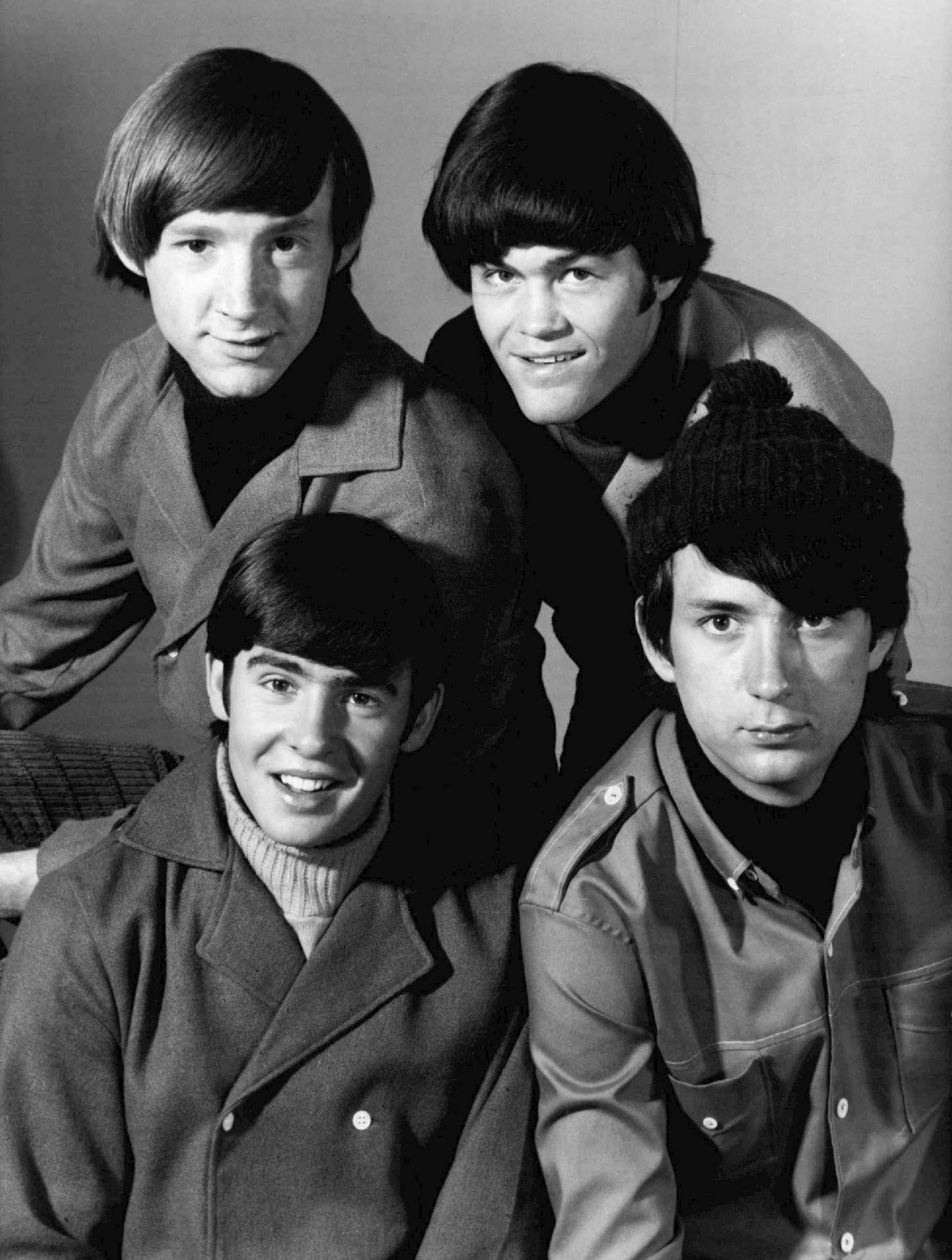
- One example of this is The Monkees. They were created as a kind of clone/an American version of The Beatles, who were very successful at that time, from 1966 to 1970. The group mainly consisted of strangers who, according to rumors, didn't always sing their own songs or play their instruments, their songs were sung and their instruments were played by an accompanying band. They were mainly aimed at younger audiences and even had a comedy TV show.
- Another example of this is One Direction. They had each auditioned on The X Factor as solo acts. They each failed their auditions but were put together as a 5-member boy band in order to progress to the "boot camp" stage of the competition. They finished third in the finals but gained in popularity despite this. They were then signed onto Syco Records by Simon Cowell and their music career has been going on ever since. (They also had a guest appearance in popular kids' sitcom, iCarly.)
Major Record Labels
Major Record Labels
The music industry is dominated by four multi-national corporations:-

The music industry is dominated by four multi-national corporations:-
- Universal Records:- Founded in 1995 and owned by Universal Music Group. They have signed artists like Bee Gees (formerly), Calvin Harris, Miley Cyrus, Godsmack, Pat Green, Selena Gomez, Elton John, JoJo, Owl City, etc.
- Sony Music:- Founded in 1929 and owned by Sony Corporation of America. They have signed artists like 2NE1, Alexandra Burke, Avril Lavigne, Backstreet Boys, Big Time Rush, Beyoncé Knowles, Bruce Springsteen, Britney Spears, Celine Dion, Carrie Underwood, Calvin Harris, Daft Punk, Destiny's Child, Earth, Wind and Fire, Evanescence, Stereopony, Susan Boyle, etc.
- Warner Brothers:- Founded in 1958 and owned by Warner Music Group. They had previously signed artists like A-ha, Bee Gees, Shaun Cassidy, Alice Cooper, Bill Cosby, Elvis Costello, etc. They have now signed artists like Avenged Sevenfold, Cher, Disturbed, Clint Eastwood, Evermore, Fort Minor, Gorillaz, Green Day, Idina Menzel, Iyaz, Hugh Laurie, Linkin Park, etc.
- EMI Records:- Founded in 1972 and owned by EMI Group Limited/EMI Music. They have signed artists like The Beatles, The Hollies, Gullivers People, Pink Floyd, The Shadows, Joe Cocker, Black Sabbath, Captain, Cockney Rejects, Amy Grant, Iron Maiden, Alan Jackson, Killa Mike, Kyla, Ruth Lorenzo, Junior Martinez, Richard Marz, etc.
These are referred to as "The Majors". The majority of these are backed by conlomerates with stakes in other industries such as Film, TV and Electronics.
Major-Independents
Most of these "Majors" own, or license, a series of smaller subsidiary companies in order to reach different kinds of audiences in different kinds of genres.
There are a huge number of small companies with little or no financial connection to the majors. These companies often concentrate on a small number of acts, within specialised niches in the industry.
These are called "Independents". One example of a highly successful Independent is Domino Records. They were founded in 1993. They had previously signed artists like 10,000 Things, The Fall, Hood, Josef K, The Pyramids, Steve Reid Ensemble, Superchunk, The Television Personalities, The Triffids, etc. They have now signed artists like Arctic Monkeys, Galaxie 500, Hot Chip, Eugene McGuinness, Quasi, Sons and Daughters, Spiral Stairs, Tricky, Twin Sister, Villagers, etc.
It is often that record labels begin as independent, but then are bought by a major and then become major-independents.
- Columbia Records:- Founded in 1888 and owned by Sony Music Entertainment. They have signed artists like 50 Cent, AC/DC, Aerosmith, Appaloosa, Louis Armstrong, The Bangles, Beyoncé, Big Time Rush, David Bowie, Susan Boyle, Kate Bush, Johnny Cash, John Cena, Petula Clark, Miranda Cosgrove, Celine Dion, the Glee cast, Billy Joel, etc.
- Island Records:- Founded in 1959 and owned by Universal Records. They had previously signed like Wallis Bird, Keisha Buchanan, Mariah Carey, John Cale, Jim Capaldi, Bob Dylan, Marianne Faithfull, Isis, Elton John, Bob Marley, N-Dubz, Nirvana UK, Katy Perry, Ringo Starr, Sum 41, Utada Hikaru, etc. They have now signed artists like Iggy Azalea, Justin Bieber, Bon Jovi, Clare Bowditch, Jake Bugg, Taio Cruz, Jamie Cullum, Dizzee Rascal, Fall Out Boy, Florence and the Machine, Ariana Grande, Enrique Iglesias, Jessie J, Nick Jonas, Parachute, Passenger, Snow Patrol, U2, The Vamps, Robbie Willaims, Woodkid, Will Young, etc.
- Syco Records:- Founded in 2002 and owned by Sony and Simon Cowell. They had previously signed artists like Gareth Gates, George Sampson, Leon Jackson, Same Difference, Rhydian, Paul Potts, Escala, Shayne Ward, Joe McElderry, Westlife, Alexandra Burke, Loveable Rogues, Leona Lewis, Jonathan and Charlotte, etc. They have now signed artists like Susan Boyle, Labrinth, Little Mix, Olly Murs, One Direction, Union J, Bars and Melody, Collabro, Cher Loyd, etc.
- RCA Records:- Founded in 1901 and owned by Sony. They have signed artists like ABBA (formerly), The Beatles (formerly), Cristina Aguilera, Keith Anderson, Apocalyptica, Rick Astley (formerly), Misha B, Backstreet Boys (formerly), Alexandra Burke, Boston Symphony Orchestra, David Bowie (formerly), Bullet for My Valentine, Kelly Clarkson, Miley Cyrus, Daughtry, Snoop Dogg, Hilary Duff, Mick Fleetwood, Foo Fighters, Jamie Foxx, Becky G, Miku Hatsune (formerly), Imogen Heap, Whitney Houston (formerly), Jennifer Hudson, Natalie Imbruglia, Ke$ha, Alicia Keys, Avril Lavigne, "Weird Al" Yankovic, etc.
- Virgin Records:- Founded in 1972 and owned by Universal (formerly by EMI). They have signed artists like 30 Seconds to Mars, The Almost, Atomic Kitten, Tony Banks, Bastille, Victoria Beckham, Blue, David Bowie, Mariah Carey, Phil Collins, The Constellations, Daft Punk, Deadmau5, Hilary Duff, Eurythmics, Evanescence, Emeli Sandé, Peter Gabriel, Gorillaz, David Guetta, Korn, Emily Osment, Placebo, Queen, Röyksopp, Ruth Lorenzo, The Sex Pistols, Yanni, You Me at Six, etc.
These companies are called "Major-Independents".
Independents
There are a huge number of small companies with little or no financial connection to the majors. These companies often concentrate on a small number of acts, within specialised niches in the industry.
It is often that record labels begin as independent, but then are bought by a major and then become major-independents.
Potential Tracks
Potential Tracks
Gabrielle Aplin - "Home"
Josh Ritter - "Girl In The War"
Gabrielle Aplin - "Home"
Josh Ritter - "Girl In The War"
The Foo Fighters - "The Pretender" Storyboard Animatic
My task was to create an animatic of the storyboard of the music video of The Pretender by The Foo Fighters.
First, I converted the music video from Youtube using Clip Converter and I put it into Final Cut Express.
Then, I uploaded the storyboard pictures of the first 45 seconds of the music video I drew beforehand onto the computer and put them onto Final Cut Express.
I then started to piece together the storyboard pictures in time with the first 45 seconds of the music video.
When I finished piece the animatic together, I exported it and uploaded it onto Vimeo (upload takes 45 minutes) instead of Youtube as Vimeo doesn't have any copyright restrictions.
From this animatic, I learned about the shot variety of the music video. There were Long Shots to show the whole band or other areas in the studio and there were Mid-Shots and Close-Ups to show the band members individually.
I also learned about the shot duration of the music video. During the beginning of the video, the shots last a long time before cutting to the next shot, but as the other band members start to play their instruments, the pacing of the video becomes much faster and the shots last for less time than before.
The Foo Fighters - The Pretender Storyboard Animatic from Marianne Webb on Vimeo.
My task was to create an animatic of the storyboard of the music video of The Pretender by The Foo Fighters.
First, I converted the music video from Youtube using Clip Converter and I put it into Final Cut Express.
Then, I uploaded the storyboard pictures of the first 45 seconds of the music video I drew beforehand onto the computer and put them onto Final Cut Express.
I then started to piece together the storyboard pictures in time with the first 45 seconds of the music video.
When I finished piece the animatic together, I exported it and uploaded it onto Vimeo (upload takes 45 minutes) instead of Youtube as Vimeo doesn't have any copyright restrictions.
From this animatic, I learned about the shot variety of the music video. There were Long Shots to show the whole band or other areas in the studio and there were Mid-Shots and Close-Ups to show the band members individually.
I also learned about the shot duration of the music video. During the beginning of the video, the shots last a long time before cutting to the next shot, but as the other band members start to play their instruments, the pacing of the video becomes much faster and the shots last for less time than before.
The Foo Fighters - The Pretender Storyboard Animatic from Marianne Webb on Vimeo.
Wednesday, 18 June 2014
Looking For An Artist
Before I make my music video, I need to look for the right song and artist. I have several options on how to find these:
- Approach an unsigned artist to ask for permission to use their song(s) to avoid copyright issues.
- Approach a new and unknown artist to ask for permission to use their song(s).
- Use a track that is 3-3 1/2 minutes long.
- Use a track that is upbeat/has a changing tempo/interesting with enough vocals.
- No rap, country and western, dubstep, trance tracks, etc. They are too fast to sing/lip-synch and country and western tracks usually involve horses and stetsons in their music videos.
Styles of Music Video
- Narrative-based:- Storyline - Daniel Powter - "Bad Day" - artist can feature in the "story" - not always
- Cinematic:- high production values - Storyline - a 'film-like' quality - Pop - Romance! - Eminem - "Stan" - The Cardigans - "My Favourite Game"
- Studio-based:- Shot in one location - in studio - The Foo Fighters - "The Pretender" - Take That - "Rule the World"
- Intertextuality:- Refers to other existing texts - The Wanted - "Walks like Rihanna" - refers to The Back Street Boys, Take That, etc
- Parody:- Making fun of another text - Hot Chip - "I Feel Better"
- Pastiche:- working seriously with another genre/time frame - not to be confused with Parody - Christina Aguilera - "Candyman" - OutKast - "Hey Ya"
- "As Live":- concert footage - Coldplay - "Fix You"
- Animation:- stop-motion or digital - Peter Gabriel - "Sledgehammer" - Gorillaz - a-ha - "Take On Me"
The Brief
The Brief
My task is to produce a music video that is up to 5 minutes long, either working by myself or in a group of up to 4 members.
Along with the music video, I need to produce a "digipak" (6 panels) for the the CD case and a magazine advert featuring the digipak.
I also need to produce a critical evaluation of my music video once it is finished.
My task is to produce a music video that is up to 5 minutes long, either working by myself or in a group of up to 4 members.
Along with the music video, I need to produce a "digipak" (6 panels) for the the CD case and a magazine advert featuring the digipak.
I also need to produce a critical evaluation of my music video once it is finished.
Subscribe to:
Comments (Atom)